Iran's Energy Wealth: A Path to Economic Transformation


Understanding Iran's Energy Wealth
Iran possesses vast reserves of energy resources, making it one of the most energy-rich countries globally. These resources, primarily oil and natural gas, have the potential to significantly transform Iran's economic landscape. As the world continues to evolve, Iran's energy wealth could play a crucial role in global energy markets.
The country's energy reserves rank among the top in the world. With its strategic location and vast resources, Iran is positioned to become a major player in the global energy sector. However, leveraging this potential requires substantial investment and strategic planning.
The Role of Oil and Natural Gas
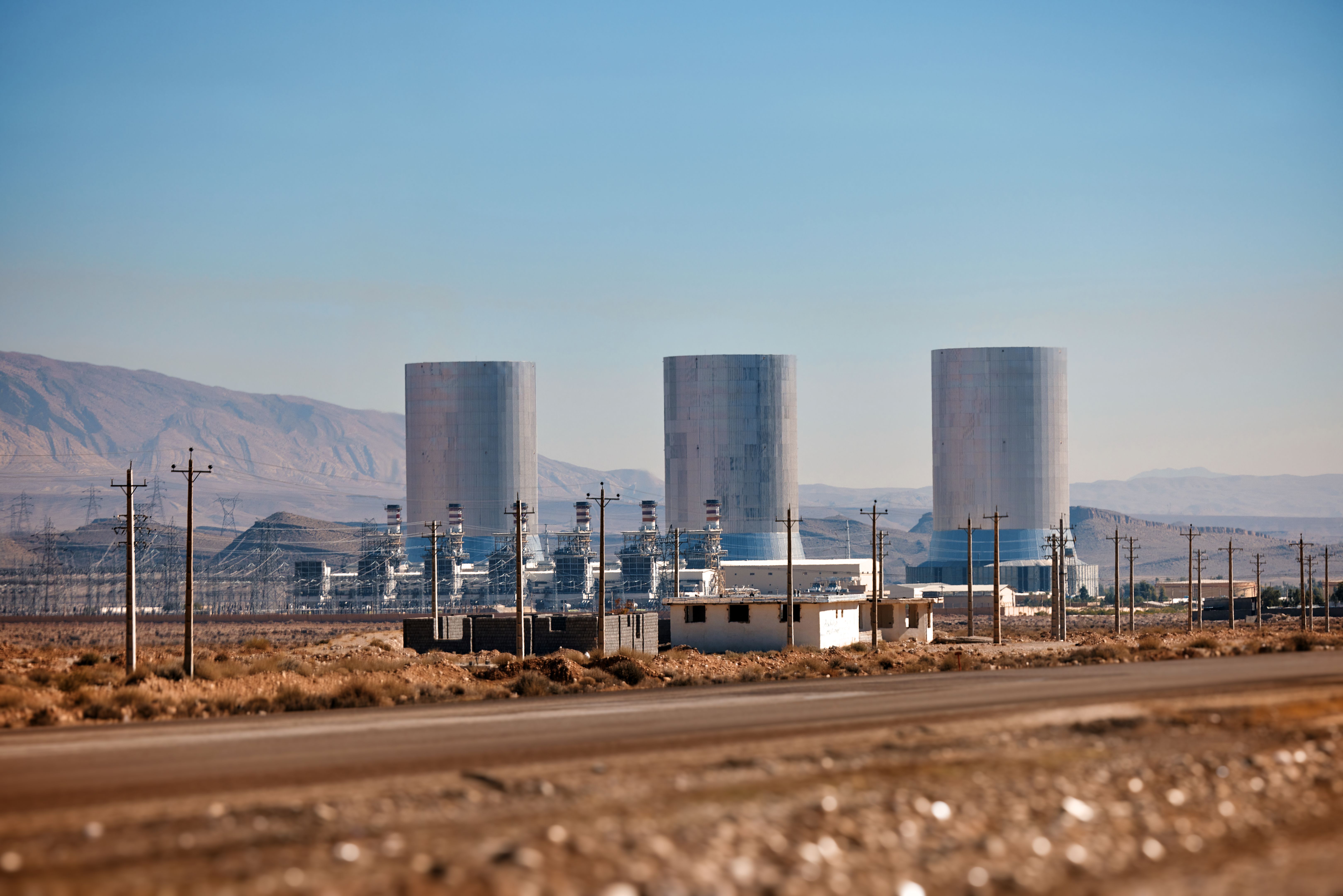
Oil and natural gas are the cornerstones of Iran's energy wealth. The nation holds some of the largest reserves of these resources, offering immense economic opportunities. Properly managing and utilizing these resources can lead to substantial economic growth.
Iran's oil industry has historically been a significant contributor to its economy. However, to fully realize its potential, the country must address challenges such as outdated infrastructure and geopolitical tensions that have hindered full-scale development.
Natural Gas: A Growing Opportunity
Natural gas is becoming an increasingly important component of Iran's energy strategy. With growing global demand for cleaner energy sources, Iran's vast natural gas reserves offer a promising opportunity for economic expansion.
Challenges and Opportunities
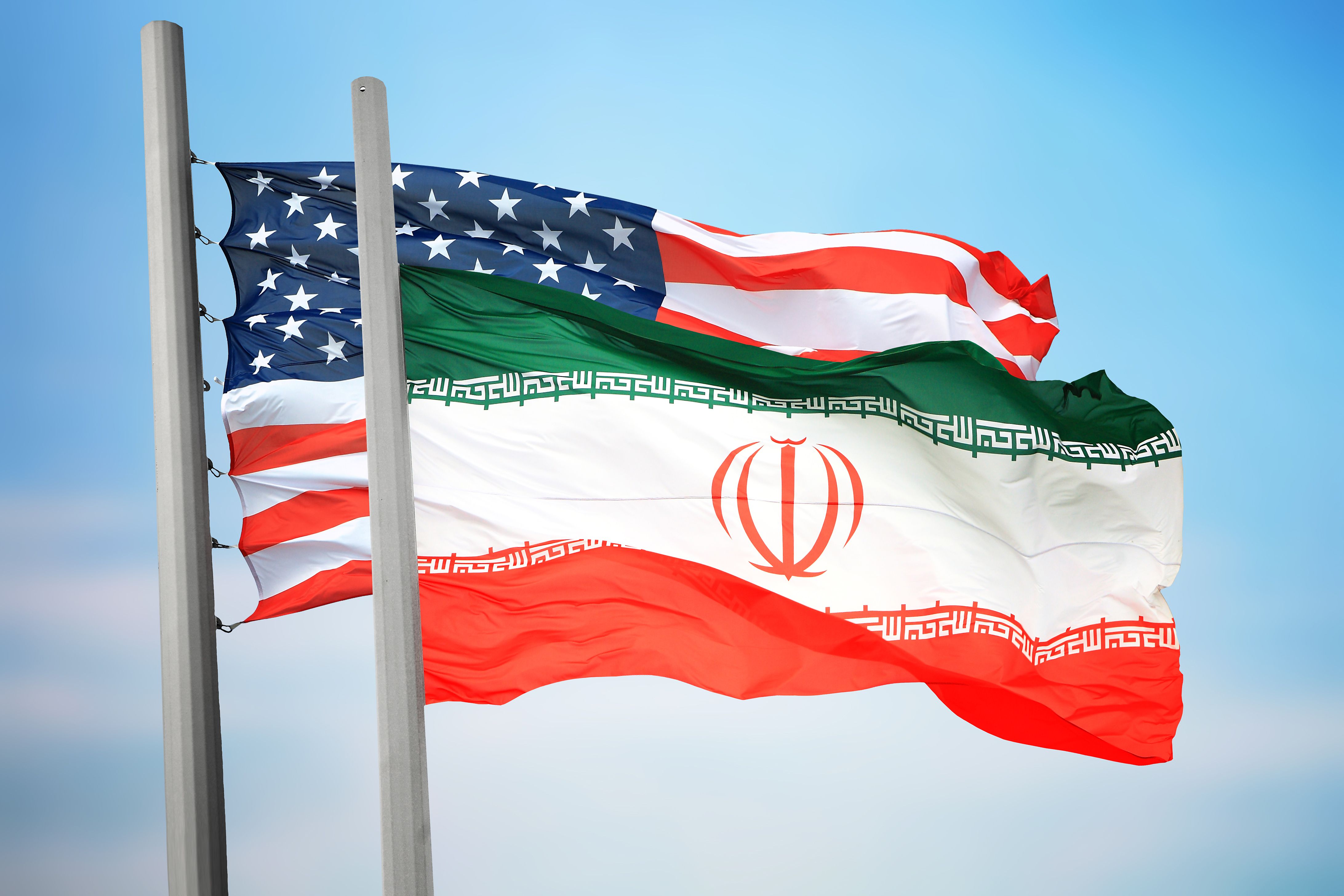
While Iran's energy wealth offers numerous opportunities, it also faces several challenges. International sanctions have often restricted access to technology and investment needed for development. Addressing these challenges is essential for tapping into the full potential of its energy resources.
- Investment in infrastructure and technology
- Geopolitical stability
- International partnerships
Overcoming these obstacles could open doors to significant economic transformation, benefiting not only Iran but also the global energy market.
Economic Transformation Through Energy
The potential for economic transformation in Iran through its energy resources is immense. By focusing on modernization and innovation, Iran can harness its energy wealth to fuel economic growth, create jobs, and improve living standards.
Developing a sustainable energy strategy that includes renewable sources alongside oil and gas can also position Iran as a leader in the global energy transition. This approach could enhance its economic resilience and global standing.
The Path Forward
To achieve economic transformation, Iran needs to implement strategic policies that encourage investment and foster innovation. Engaging with international partners and adopting new technologies will be key to unlocking the full potential of its energy sector.
By effectively managing its energy wealth, Iran has the opportunity to transform its economy and play a pivotal role in the future of global energy markets.
**Oil and Gold Price Analysis: A Six-Month Outlook (Q2-Q3 2026)**
*Disclaimer: This article presents analytical commentary on commodity markets based on publicly available forecasts and market data. It does not constitute investment advice, trading recommendations, or financial guidance. Market conditions can change rapidly, and past performance does not guarantee future results.*
Published: March 11, 2026 added by DR ALI SAEID VAZIRI
The Current Landscape
Global commodity markets are experiencing a period of heightened volatility as we enter the second quarter of 2026. Two major themes dominate the landscape: the Strait of Hormuz crisis driving oil markets to multi-month highs, and gold's historic rally to unprecedented levels above $5,000 per ounce. Understanding the forces behind these moves—and what analysts project for the coming six months—requires examining both immediate geopolitical disruptions and underlying structural market fundamentals.
Oil Market Analysis: Geopolitical Premium Meets Structural Surplus
Crude oil markets have witnessed a dramatic repricing in early 2026. Brent crude settled at approximately $94 per barrel in early March—a roughly 50% surge since the start of the year and the highest level since September 2023. The primary catalyst has been the effective closure of the Strait of Hormuz following military action against Iran, disrupting tanker traffic that normally carries approximately 20% of global oil demand.
However, analyst forecasts for the next six months reveal a stark divergence between near-term risk premiums and longer-term supply-demand fundamentals. The U.S. Energy Information Administration (EIA) projects that while Brent may remain elevated above $95/b in the immediate term, prices could fall below $80/b in the third quarter of 2026 and approach $70/b by year-end if supply flows normalize. The agency now forecasts Brent to average $79 per barrel for full-year 2026, a sharp upward revision from its previous $58 estimate, reflecting the current disruption's severity.
Goldman Sachs has raised its Q2 2026 Brent forecast to $76 per barrel, citing reduced Hormuz shipments and expected OECD inventory draws. Yet even this upwardly revised forecast assumes a gradual normalization of shipping activity through the critical chokepoint. Standard Chartered has similarly lifted its Q2 estimate to $67 from $63, while maintaining a full-year average of $70.
The bearish counter-narrative comes from institutions emphasizing structural oversupply. J.P. Morgan maintains its forecast for Brent to average around $60 per barrel in 2026, arguing that global oil supply growth will outpace demand by approximately 2.3 million barrels per day. The bank notes that voluntary and involuntary production cuts will likely be necessary to prevent excessive inventory accumulation, which would eventually pressure prices downward.
For the April-September 2026 period, the consensus appears to coalesce around a gradual price decline from current elevated levels, assuming no further escalation in the Middle East. The International Energy Agency (IEA) notes that global oil supply is on track to rise by 2.4 million barrels per day in 2026, with growth split between OPEC+ and non-OPEC+ producers. Meanwhile, demand growth has been revised downward to 850,000 barrels per day due to economic uncertainties and higher prices weighing on consumption.
Key Variables for Oil in Q2-Q3 2026:
1. Hormuz Normalization Timeline: The speed at which tanker traffic resumes will determine how quickly the current risk premium evaporates. Most analysts assume gradual improvement, but prolonged closure would sustain higher prices.
2. OPEC+ Production Policy: The cartel's planned 206,000 barrels per day output increase from April 2026 could accelerate if prices remain elevated, adding downward pressure.
3. U.S. Production Response: Higher prices are already translating into increased U.S. output forecasts, with the EIA now projecting 13.6 million barrels per day in 2026—about 500,000 barrels per day higher than previous estimates.
Gold Market Analysis: Record Highs and Divergent Forecasts
Gold entered 2026 trading near $5,000 per ounce after a historic run through 2025, briefly touching $5,500 in early trading. The precious metal has become a focal point for investors seeking hedges against inflation, currency debasement, and geopolitical uncertainty. However, analyst forecasts for the next six months span an extraordinarily wide range, reflecting genuine uncertainty about whether gold consolidates, corrects, or continues climbing.
The bullish camp sees gold pushing toward $5,400 to $6,300 by year-end. Goldman Sachs has raised its end-of-year target to $5,400, while J.P. Morgan projects $6,300 and Wells Fargo forecasts $6,100 to $6,300. These projections assume persistent inflation concerns, continued Federal Reserve rate cuts, sustained central bank accumulation, and ongoing geopolitical tensions. Union Bancaire Privée (UBP) anticipates gold rising to approximately $5,200 per ounce by Q4 2026, citing elevated sovereign debt levels and the trend toward a multipolar world as long-term structural supports.
Moderate forecasts cluster around $4,800 to $5,400, expecting gold to consolidate recent gains with potential pullbacks but no dramatic collapse. This view assumes inflation moderates gradually, the Fed achieves policy stability, and no major new crises emerge.
The bearish camp, however, warns of significant downside risk. Commerzbank targets $4,400, while Macquarie Group's Peter Taylor has predicted gold could trade as low as $4,200 by Q4 2026—a substantial decline from current levels. A January Financial Times survey of 11 strategists showed a consensus year-end target of just $4,600 per troy ounce, with gold already trading well above most forecasts.
Technical and Sentiment Considerations
From a technical perspective, gold has cleared the psychologically significant $5,000 barrier, which now serves as near-term support. The next resistance levels sit at $5,500 and $6,000. However, relative strength indicators suggest the metal is in overbought territory, though such conditions can persist longer than fundamentals suggest during strong trends.
Sentiment has become a critical factor. The deVere Group has warned of "legitimate concerns" over whether the rally can maintain momentum, noting that central banks could potentially begin unloading reserves if governments face political or financial strain. The recent parabolic surge to above $5,600 followed by a rapid plunge toward $4,900 illustrated that gold is now exposed to sentiment-driven volatility as much as fundamental drivers.
Key Variables for Gold in Q2-Q3 2026:
1. Federal Reserve Policy: The trajectory of interest rates remains the most significant variable. Rate cuts typically support gold by reducing competition from yield-bearing assets and often weakening the dollar. Rate hikes or hawkish pivots would create headwinds.
2. Inflation Trajectory: Whether inflation remains sticky or moderates faster than expected will determine hedging demand. Gold's performance as an inflation hedge has been inconsistent over short timeframes.
3. Central Bank Demand: Countries including China, Russia, India, Poland, and Turkey have accumulated substantial reserves in recent years. Any pause or reversal in this trend would remove a key price support.
4. Geopolitical Escalation: Worsening conflicts or new crises would likely trigger additional safe-haven buying, while de-escalation could cause risk premiums to evaporate.
---
Synthesis: Six-Month Outlook
For the April-September 2026 period, the analytical consensus suggests diverging trajectories for these two commodities.
Oil appears positioned for a gradual decline from current elevated levels, assuming the Strait of Hormuz disruption proves temporary. Analyst forecasts cluster in the $60-$76 range for Brent during this period, with the trajectory heavily dependent on geopolitical developments. The structural supply surplus narrative remains compelling, suggesting that even if prices remain elevated in Q2, Q3 should see downward pressure as inventories build and alternative supply routes adjust.
Gold presents a more uncertain picture. Having already exceeded most full-year analyst targets within the first two months of 2026, the metal appears vulnerable to consolidation or correction. However, structural factors—sovereign debt levels, de-dollarization trends, and central bank diversification—provide underlying support that could limit downside. The wide dispersion in analyst forecasts ($4,200 to $6,300) reflects genuine uncertainty about whether current prices represent a new plateau or a speculative peak.
Conclusion
Both oil and gold markets are experiencing periods of elevated uncertainty driven by geopolitical disruptions and shifting macroeconomic conditions. For oil, the tension between immediate supply disruptions and longer-term oversupply creates a bearish bias for the six-month horizon. For gold, having reached uncharted territory, the path forward depends heavily on whether current drivers—monetary policy, inflation expectations, and safe-haven demand—sustain their intensity or begin to moderate.
Investors and market observers should monitor the normalization of Hormuz traffic, OPEC+ production decisions, Federal Reserve policy communications, and central bank gold purchasing data as key indicators for the coming quarters. As always in commodity markets, the only certainty is uncertainty—and the wisdom to avoid confusing short-term price action with long-term value.
This analysis is based on publicly available forecasts from the EIA, Goldman Sachs, J.P. Morgan, Standard Chartered, UBP, and other institutional sources as of March 2026. Market conditions evolve continuously, and readers should consult multiple sources before forming investment conclusions.
Tags: #CommodityMarkets #OilAnalysis #GoldForecast #BrentCrude #PreciousMetals #MarketAnalysis #Q22026 #Q32026
---
**Suggested Images to Add:**
You can download and add these images to your blog post:
1. **Oil Chart**: https://kimi-web-img.moonshot.cn/img/dylta6p24nxqg.cloudfront.net/a7936746bc11de9a288428b159af3984e54046d7.png
- Caption: "Brent crude oil price analysis - March 2026"
2. **Gold Bars**: https://kimi-web-img.moonshot.cn/img/www.investopedia.com/9ddf466ad640597c2f468bb1e69d9f260fa012a3.jpg
- Caption: "Physical gold remains a key safe-haven asset"
3. **Gold Forecast Chart**: https://kimi-web-img.moonshot.cn/img/www.bullionvault.com/9e1ba458061fe37cf21bb4228b81114b363ee19e.png
- Caption: "Analyst gold price forecasts for 2026"
4. **Oil Market Infographic**: https://kimi-web-img.moonshot.cn/img/www.visualcapitalist.com/21773afe2d9987a8786fdfe37da179e9be54cfec.jpg