
Top Misconceptions About AI and the Reality Behind Them
AS
AI Will Replace All Jobs
A common misconception is that AI will lead to massive unemployment by replacing human jobs. While AI does automate certain tasks, it also creates new opportunities. Historically, technological advancements have shifted job roles rather than eliminating them entirely.
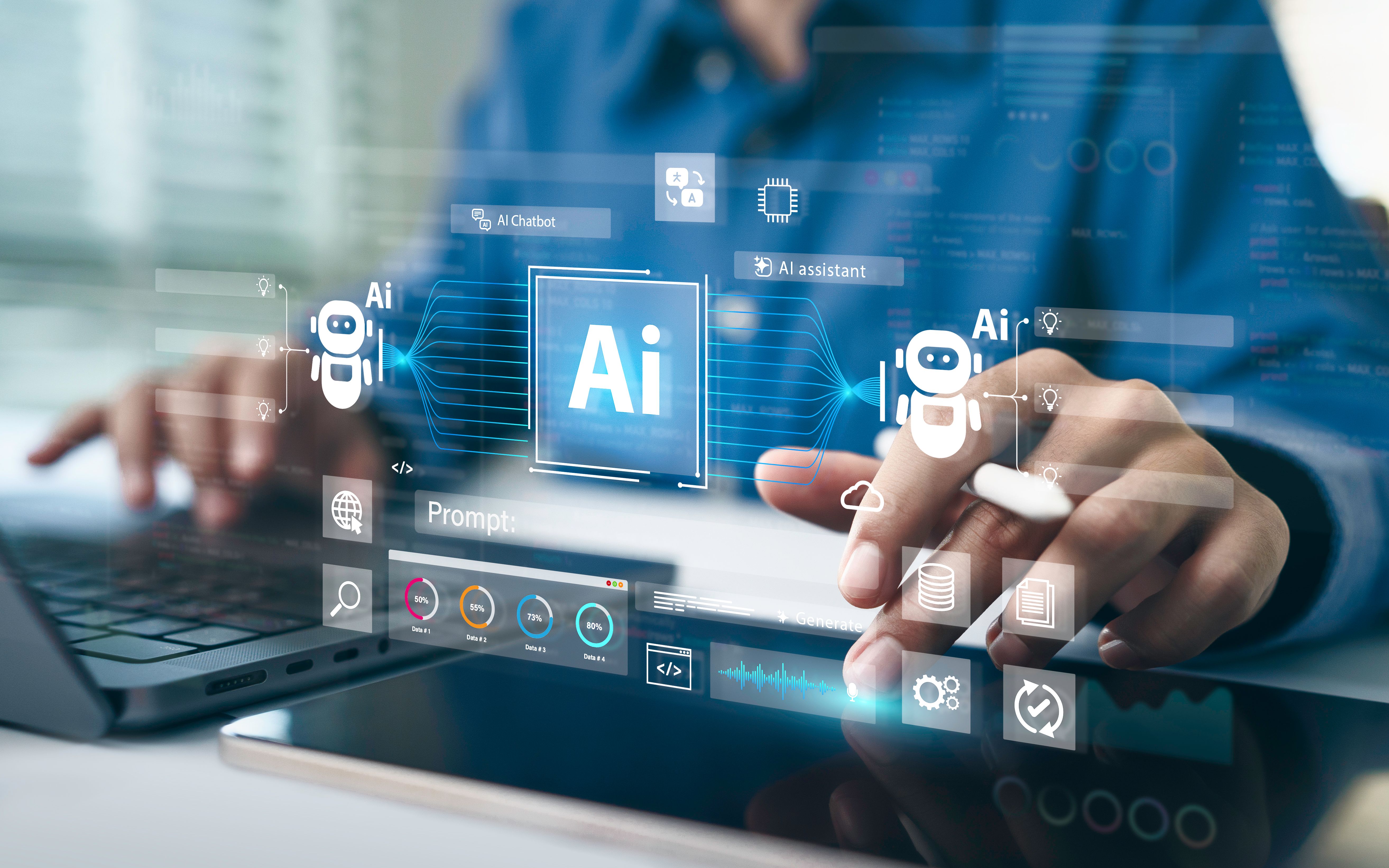
In reality, AI is more likely to take over repetitive tasks, freeing up humans to focus on creative and strategic roles. This transition can lead to a more skilled workforce and potentially open up new industries.
AI Is Infallible
Many believe that AI systems are flawless and make perfect decisions. However, AI is only as good as the data it is trained on. If the data is biased or incomplete, the AI's output will reflect those issues. It's crucial to understand that AI requires constant monitoring and updating to ensure accuracy and fairness.
Human oversight is essential to ensure AI systems operate ethically and effectively. This oversight helps in identifying and correcting errors that an AI might make.
AI Can Think Like Humans
Another misconception is that AI can think and feel like humans. Despite advancements, AI lacks consciousness and emotions. It operates based on algorithms and data, not intuition or empathy.
AI excels in processing vast amounts of information quickly but doesn't possess the ability to understand context or nuances like a human brain does. This limitation is why AI is best used as a complementary tool rather than a replacement for human decision-making.
AI Is Too Complex for Everyday Use
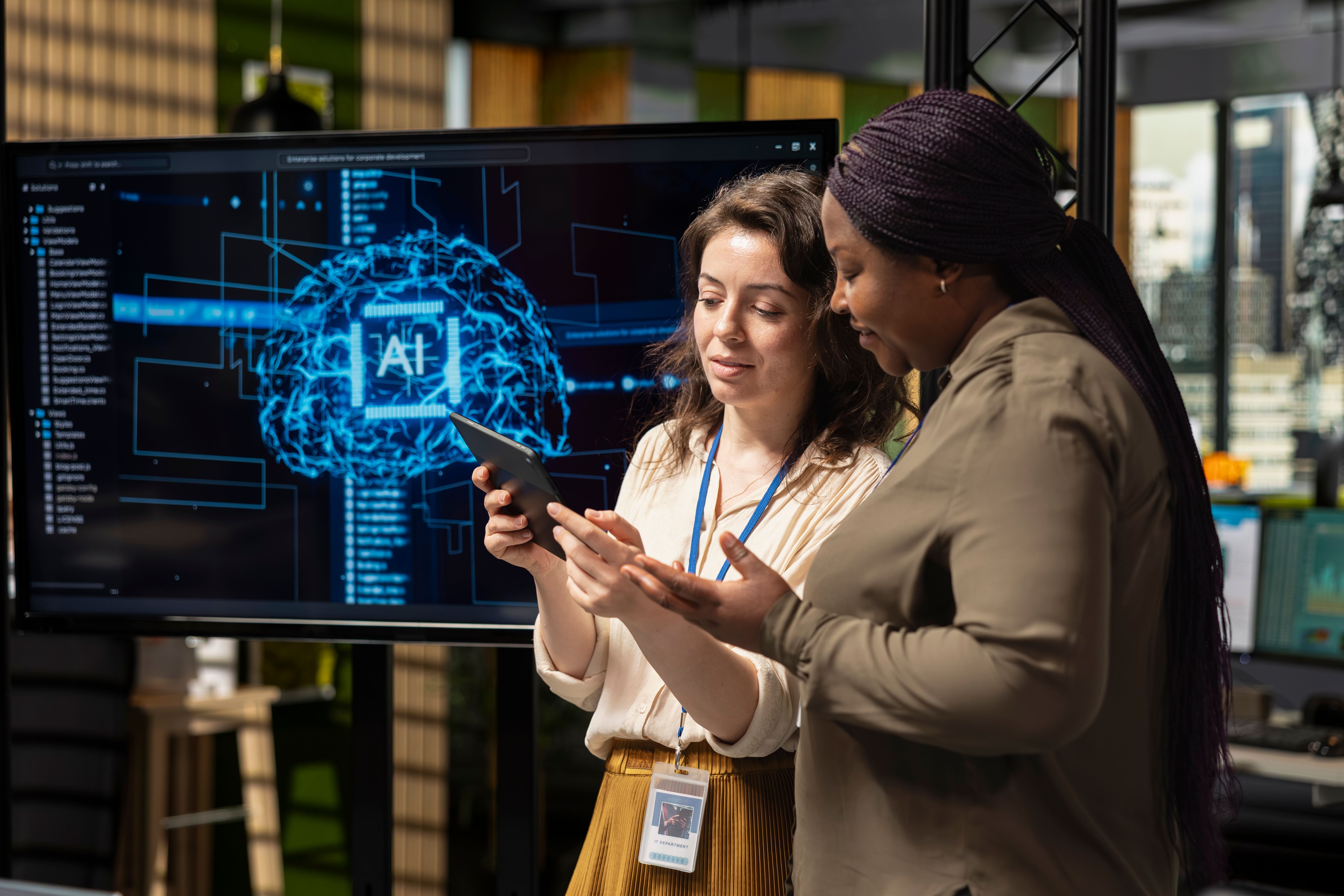
Some people think AI is too complicated for everyday applications. In truth, AI is already integrated into many aspects of daily life, from virtual assistants like Siri and Alexa to recommendation systems on streaming platforms.
These AI technologies are designed to be user-friendly, providing convenience without requiring in-depth technical knowledge. As AI continues to evolve, its accessibility and ease of use are expected to improve further.
AI Poses an Immediate Existential Threat
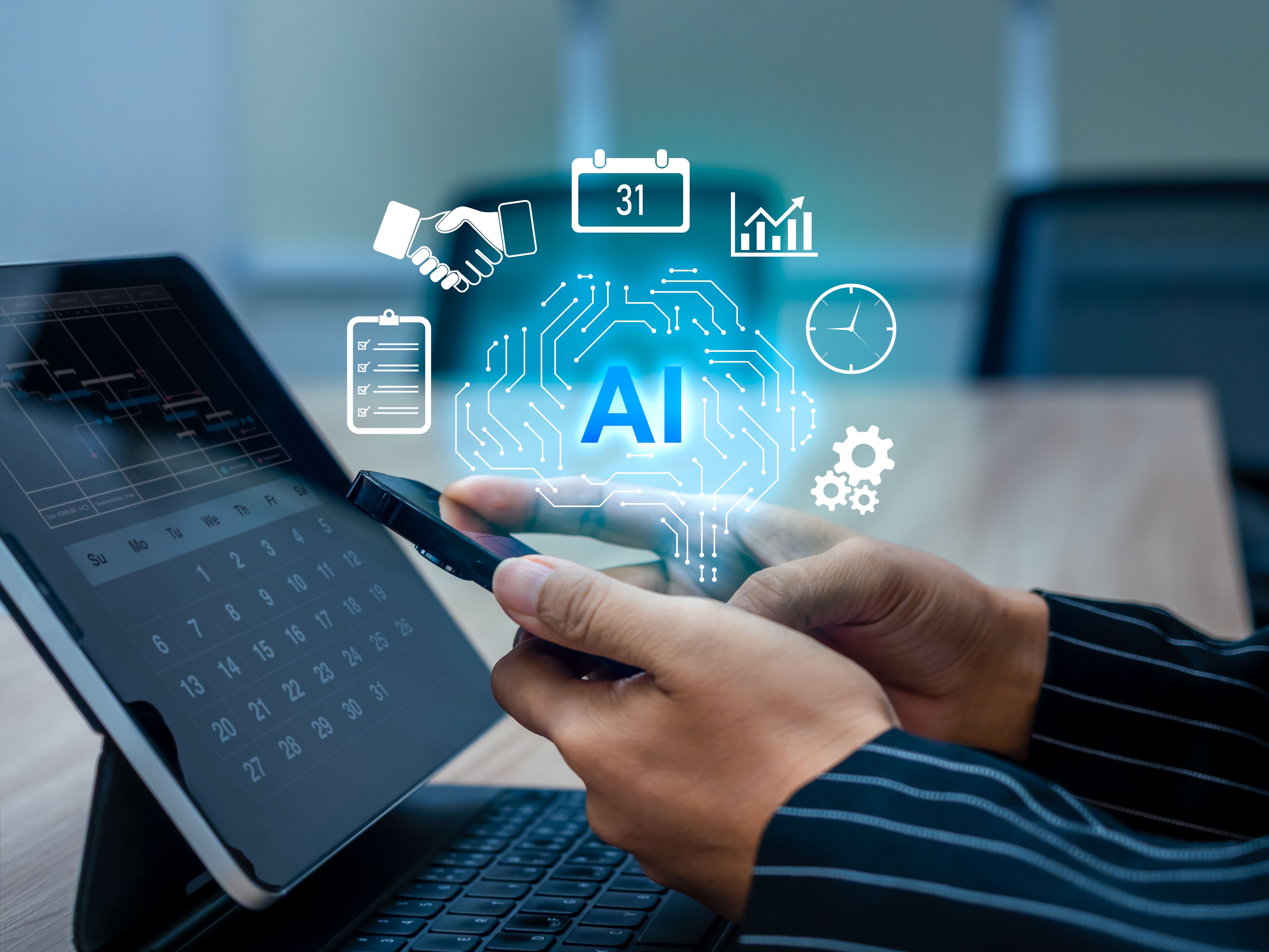
Hollywood often portrays AI as a looming threat to humanity. While ethical considerations are important, the notion that AI will suddenly become sentient and hostile is far-fetched. Current AI systems lack autonomy and operate under human-defined parameters.
Ongoing discussions around AI ethics and regulation aim to ensure safe and beneficial development of AI technologies, rather than fearing an imminent existential threat.